I've ranked every free French-learning app - 2026 📱 🇫🇷

 Croissant Verbs
 Pimsleur
 Rosetta Stone


The 11 Best French Learning Apps in 2026: Deep Reviews & Rankings
16 min read
Learning French in 2026 no longer looks like a stack of textbooks and a cassette player. Conversational AI tutors, VR immersion experiences, and hyper-personalised study paths have moved from novelty to everyday options—which sounds exciting until you realise you suddenly have more choices, not fewer.
The App Store and Play Store are crowded with French products, each promising fluency in record time. The real risk is not picking a “bad” app; it is losing months to the wrong stack for your goal—pretty streaks when you need business French, or endless gamification when what you actually need is grammar and verbs you can deploy under pressure.
We've spent 100+ hours testing the latest updates, AI tutors, and legacy platforms to bring you the definitive ranking of the best French learning apps this year. We stress-tested more than thirty iOS, Android, and web tools—subscriptions, freemium flagships, AI tutors, tutor marketplaces, and specialist drills—and narrowed the field to eleven you can trust. The picks below are mapped to learner profiles: daily habit, functional scenarios, verbs, human tutoring, audio-first, data-driven vocab, open-ended AI, community feedback, story-driven immersion, and authentic “street” listening.
If your bottleneck is French verbs (not travel phrases alone), start with our method guide: Best Way to Learn French Verbs—then return here to choose apps that match how you actually study.

- How Duolingo (incl. Max), Babbel, and AI roleplay compare for real-world usefulness.
- Why Croissant Verbs is the conjugation specialist serious learners stack beside a “main” course.
- When to pay for Italki or Pimsleur vs staying inside self-serve apps.
The Quick Comparison: 2026 Top 3 Best Apps to Learn French
These three apps stack cleanly for an ideal routine: a daily habit, structured real-life scenarios, and focused verb drills—without app overload.
| Logo | Rank | App | Best For | Get the app |
|---|---|---|---|---|
| #1 | Duolingo | Gamified consistency: short daily lessons and streaks that keep you opening the app—great when the habit matters more than a rigid syllabus. | |
| #2 | Babbel | Structured, real-life scenarios with clear grammar explanations—ideal when you want useful phrases for travel, work, and everyday situations. | |
| #3 | Croissant Verbs | Best for French conjugation—pattern-aware drills from A1 to C2—and the indispensable complement to a general course (Duolingo, Babbel, Busuu, etc.): add ~10 minutes a day beside your main app so endings stop slipping. |


All 11 apps at a glance
Snapshot of the best French learning apps in 2026—strengths, pricing model, and our rating—before the full reviews below.
| Logo | App | Best for | Monetisation | Rating |
|---|---|---|---|---|
| Duolingo | Practising a little every day in a fun, game-like way. | Freemium: free tier with ads; monthly subscription; lifetime not typical | |
| Babbel | Useful phrases for real situations—travel, work, everyday life. | Paid: free trial; monthly subscription (or annual); lifetime option | |
| Croissant Verbs | Really learning how to conjugate French verbs—not just memorizing lists. | Freemium: free tier; monthly subscription; lifetime option | |
| Italki | Speaking with a real person when you want feedback and conversation. | Pay-as-you-go: free account; per-lesson payment; trial lessons common | |
| Pimsleur | Learning by ear while you walk, drive, or do chores—almost no reading. | Subscription: trial; monthly subscription; all-languages bundle optional | |
| Lingvist | Picking up lots of words fast in short, focused sessions. | Subscription: trial; monthly subscription; annual subscription option | |
| Rosetta Stone | Zero-translation immersion—absorbing French through images and audio if you'd rather build instinct than be taught rules. | Subscription: no permanent free tier; monthly or annual; 14-day money-back guarantee | |
| ChatGPT / AI tutors | Talking about anything and getting instant explanations when you ask “why?”. | Freemium: free tier; monthly subscription; lifetime not typical | |
| Busuu | Following a clear course and having real French speakers correct your work. | Freemium: free tier (limited); monthly subscription; lifetime not typical | |
| Frantastique | A short daily story so French feels entertaining, not like a textbook. | Paid: free trial; monthly subscription (Basic or Premium); lifetime not typical | |
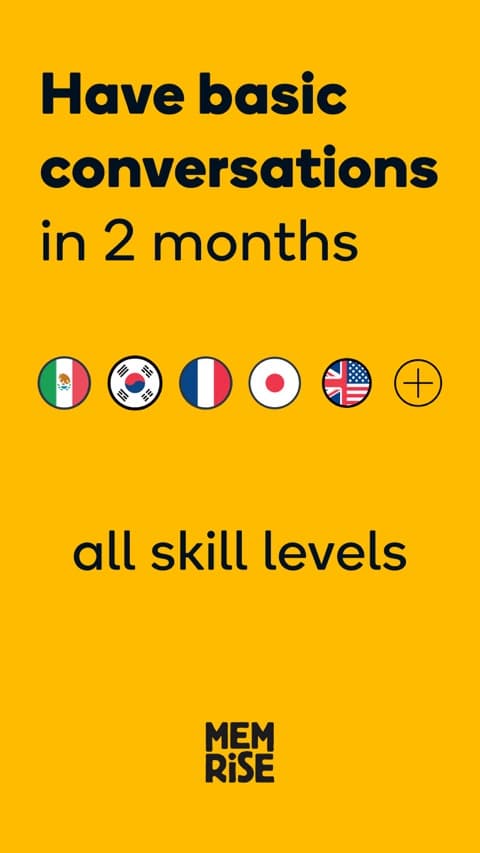
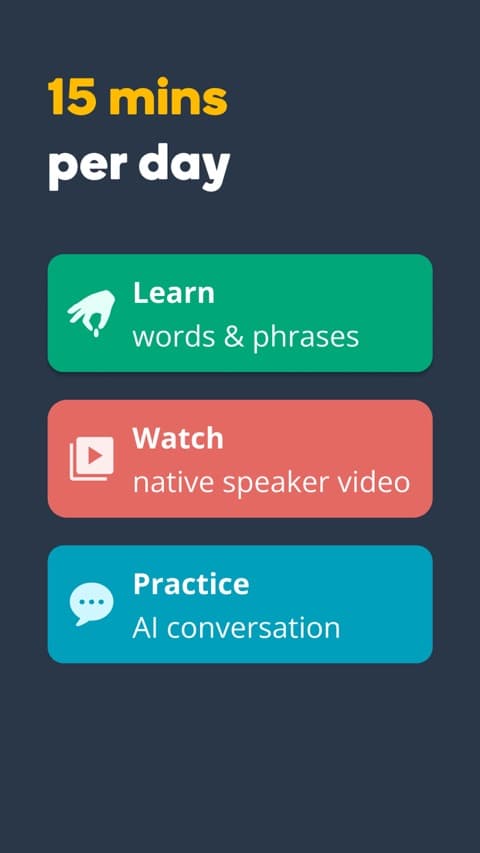
| Memrise | Hearing real people speak French in short clips—great for pronunciation. | Freemium: free tier; monthly subscription; lifetime not typical |
The Deep Dive: Top 11 Reviews
Ranked 2026 reviews comparing the best French learning apps—including Duolingo, Babbel, Croissant Verbs, Italki, Pimsleur, and more. Each section ends with a clear verdict so you can compare features and choose the right app for your goals.
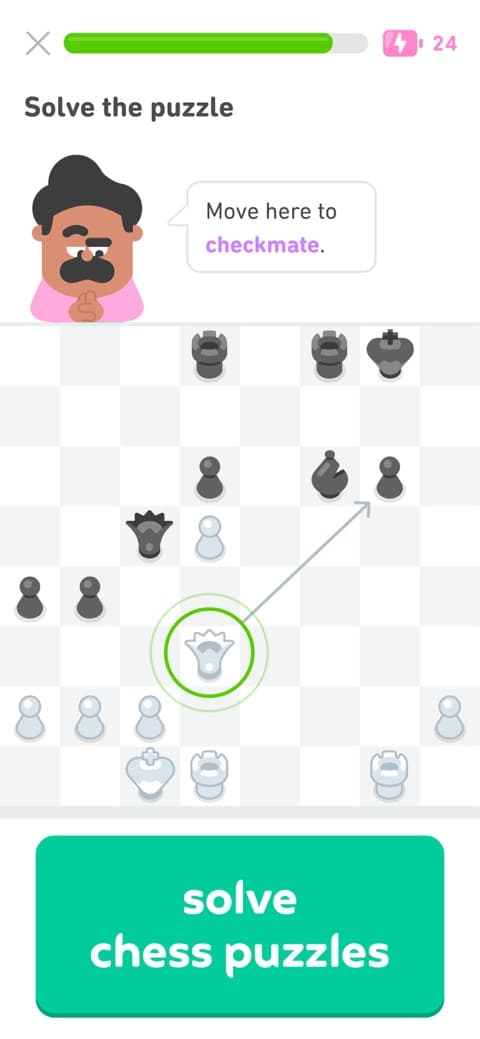
Duolingo (The Gamified Powerhouse)
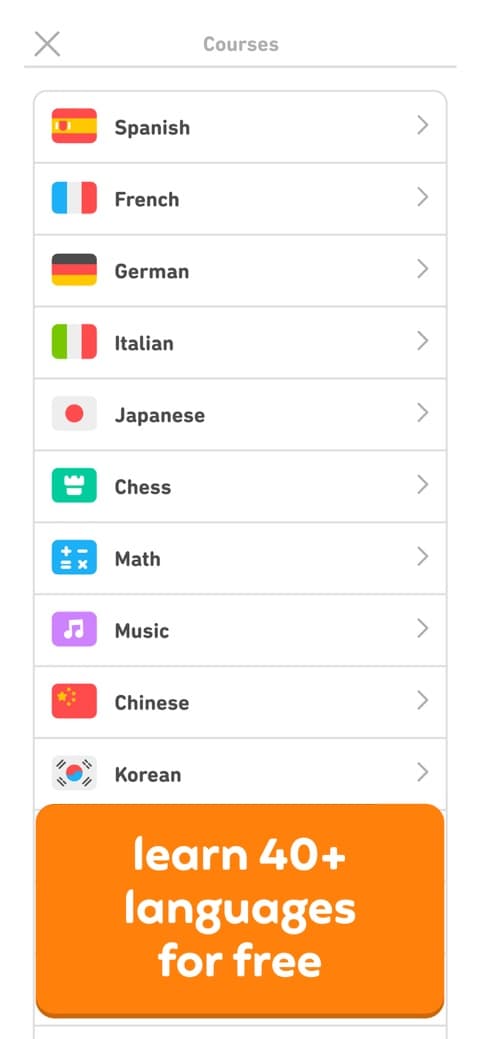
In 2026, Duolingo remains the ultimate gateway drug to French. While it's still the king of habit-building, the 2026 pivot to Duolingo Max—featuring AI-driven video calls—has made it more immersive. It's perfect for vocabulary, though it still lacks the technical depth of a tool like Croissant Verbs.
Summary: Duolingo turns the French Path into a social sport. It's ideal for beginners (A1–B2) who need a low-pressure entry point. By 2026, the app is less about clicking word bubbles and more about interactive storytelling and AI-powered roleplay.
Pricing (2026)
- Basic: Free (ad-supported, limited Hearts).
- Super: $12.99/mo (no ads, unlimited Hearts).
- Max: $29.99/mo (includes AI roleplay and instant grammar Explain My Answer).
The verdict: The best tool for staying motivated. Use it for vocab and fun, but pair it with a dedicated grammar drill to turn that game knowledge into actual fluency.
Pros
- Addictive habit building: The streak system is still the most effective way to ensure you practice every single day.
- AI roleplay: The Max tier offers real-time feedback on your mistakes, making it feel less mechanical.
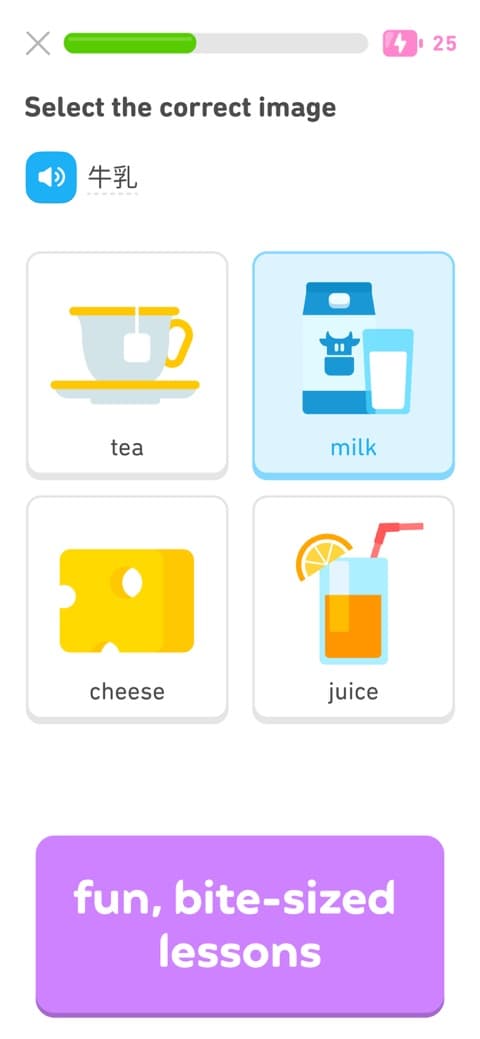
- Highly accessible: Lessons are bite-sized (2–5 minutes)—the perfect gap-filler during your commute.
Cons
- Grammar ghosting: It teaches you what to say, but rarely why you say it—you learn phrases without mastering the underlying logic.
- The fluency trap: It’s easy to maintain a long streak without actually being able to hold a real-world conversation.
- The grind: Advanced levels can feel repetitive, often focusing on recognition rather than active production.
Babbel (The Practical Architect)
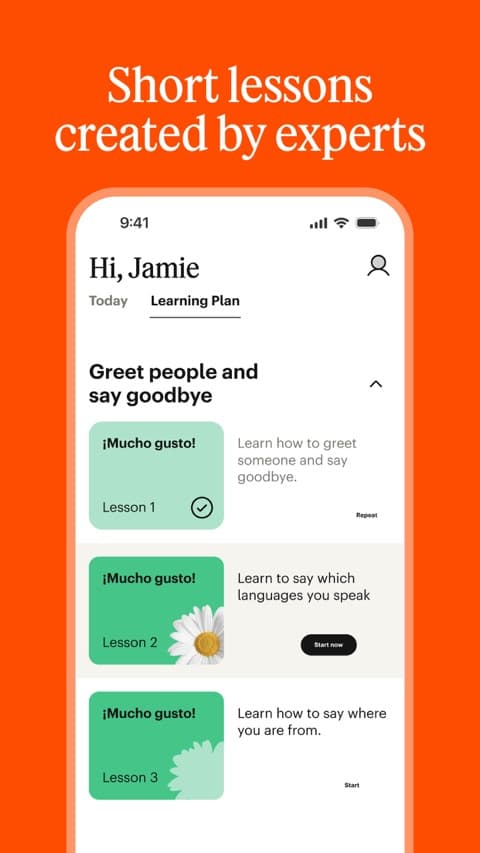
In 2026, Babbel remains the serious alternative to Duolingo. It trades cartoons and leagues for a professional, structured curriculum designed by linguists. It's the go-to for learners who want to understand the why behind the rules, making it a perfect middle ground between a game and a textbook.
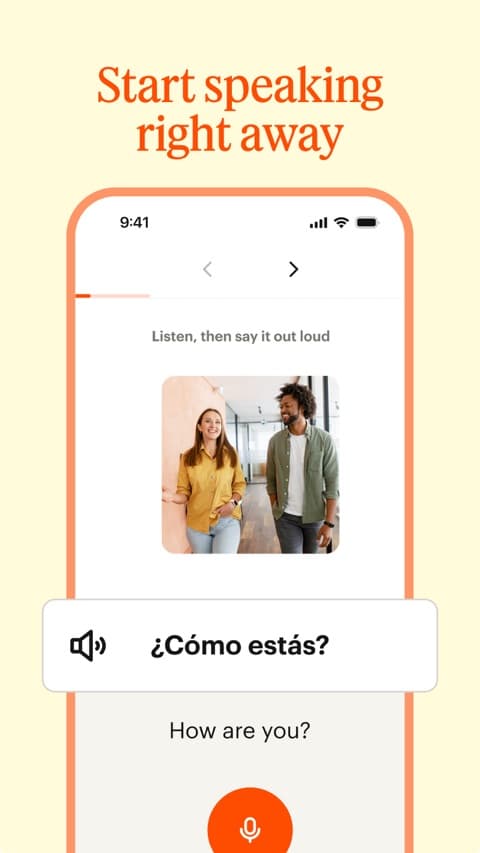
Summary: Babbel focuses on functional French. Instead of translating nonsensical phrases, you learn through real-world scenarios (e.g., navigating a French train station or ordering at a bistro). It's ideal for adult learners and professionals who prefer a clean, focused environment over gamified distractions.
Pricing (2026)
- Monthly: ~$15.95/month.
- Annual: ~$8.50/month (billed upfront).
- Lifetime: ~$299 (one-time payment for access to all 14 languages).
The verdict: The best choice for structured, adult learning. Use it to build a solid grammatical foundation, then use Croissant Verbs to drill those conjugations into permanent muscle memory.
Pros
- Integrated grammar: Unlike Duolingo’s guess-the-rule vibe, Babbel delivers clear, bite-sized explanations exactly when you need them.
- Contextual learning: Vocabulary is grouped by themes (Travel, Business, Food)—words that work together in real conversation.
- Native audio: Dialogues are recorded by real French speakers, not AI voices—better training for natural rhythm.
Cons
- No free version: After a very limited trial (usually 1–3 lessons), you must pay to continue.
- Formulaic exercises: Fill-in-the-blanks and matching can feel repetitive after a few weeks.
- Basic speaking drills: Speech recognition is pass/fail and mostly sentence repetition, not spontaneous conversation.
- Single-language pricing: Subscriptions usually cover one language unless you buy the Lifetime plan.
Croissant Verbs (The Conjugation Master)
Full disclosure: Croissant Verbs is our app. We've reviewed it with the same criteria as every other tool on this list, pros and cons included—skip to Italki below if you'd rather start with an independent pick.
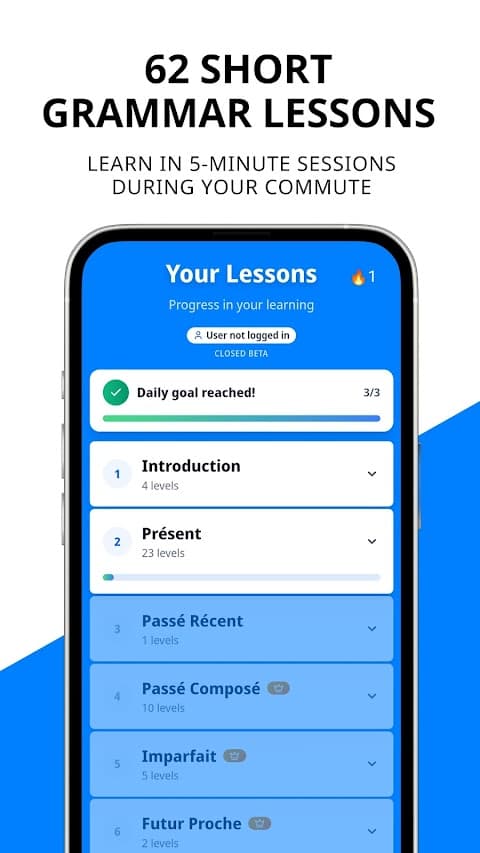
In 2026, Croissant Verbs has become the gold standard for learners who want French grammar to finally click. Unlike general apps, it focuses entirely on the #1 hurdle to fluency: verbs. Modeled after the most successful verb-learning frameworks, it offers a structured, 62-level roadmap that guides you from a complete beginner (A1) to a near-native master (C2).
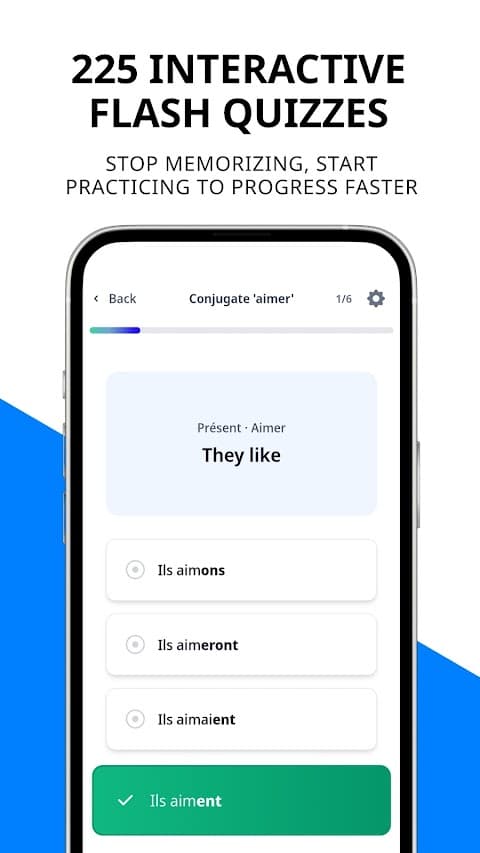
Summary: Croissant Verbs isn't just about memorization; it's about pattern recognition. It breaks down the complexity of French grammar into bite-sized lessons followed by intelligent drills. Whether you are struggling with the irregular stems of the futur simple or the nuances of the subjonctif, this app turns a daunting subject into a logical, winnable game.
Pricing (2026)
- Free: Access to the first 6 levels and the core verb library.
- Pro monthly: ~$6.99/month (unlocks all levels, Smart Quizzes, and offline mode).
- Pro lifetime: ~$99 (one-time payment for permanent access).
The verdict: The strongest complement to a general French app (Duolingo, Babbel, Busuu, etc.). Add about ten minutes a day beside your main course: Croissant Verbs covers the verb layer so your primary app does not have to do all the conjugation heavy lifting alone.
Pros
- Smart quizzes (SRS): Spaced repetition surfaces your real weak spots—nous forms, irregulars, whatever you miss gets priority next session.
- 62 levels, works offline: Levels and drills are available without a connection—ideal for a quick five-minute session on the metro (or any short commute).
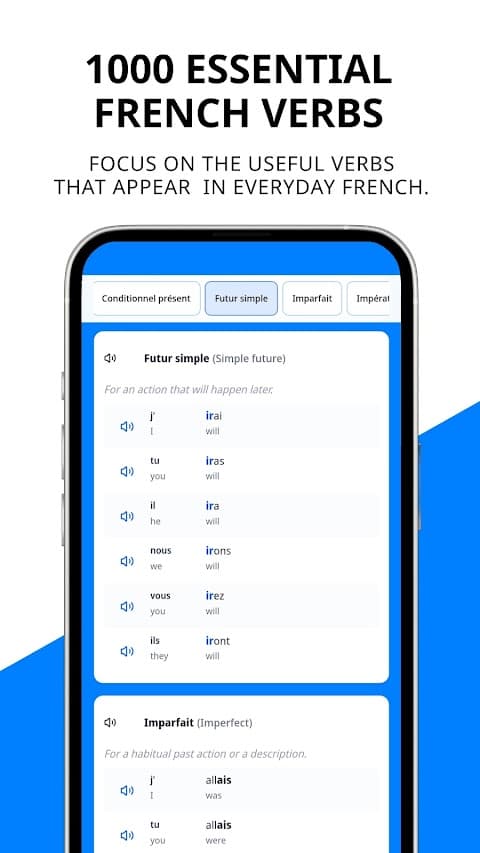
- Massive library: 1,000+ searchable verbs with step-by-step guides, English glosses, and audio pronunciation.
Cons
- Hyper-specialization: 100% verbs—you still need immersion, vocab breadth, or a tutor for general conversation.
- Built for serious learners: Less arcade-style gamification and fewer flashy AI integrations than trendier apps—expect a focused drill experience instead.
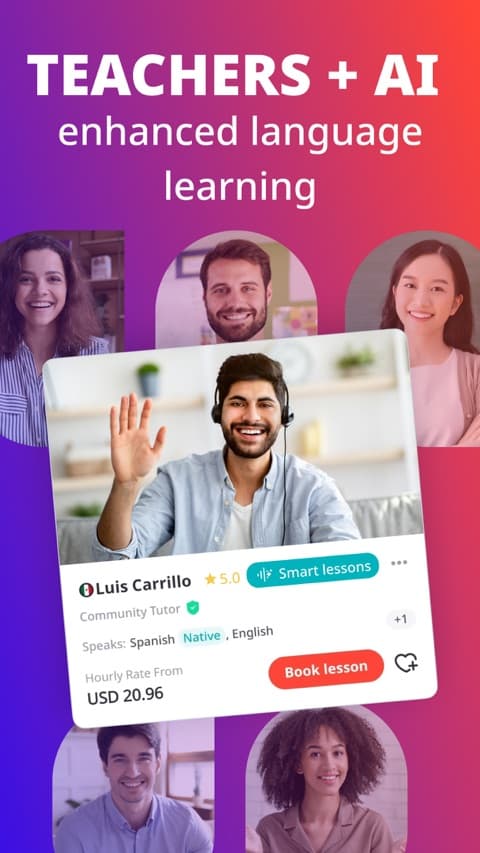
Italki (The Human Connection)
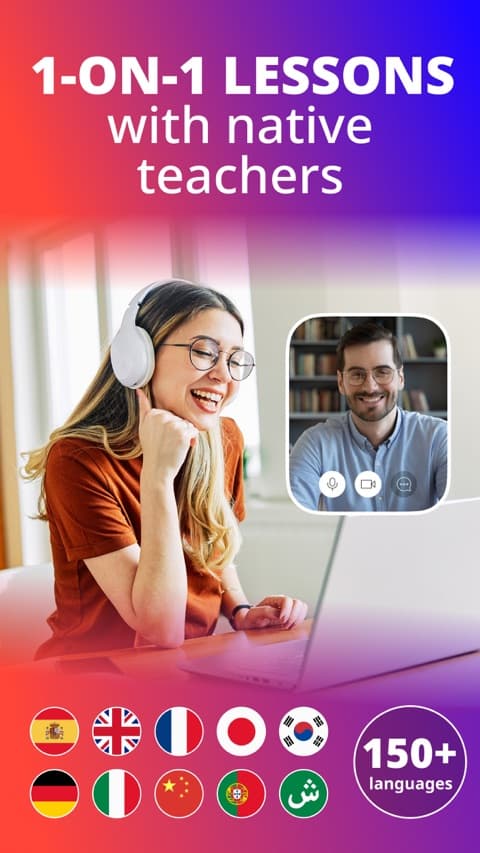
In 2026, despite the explosion of AI avatars, Italki remains the gold standard for learners who need a real human on the other side of the screen. It's not an app with a baked-in curriculum; it's a global marketplace that connects you with professional teachers and community tutors for personalized 1-on-1 sessions.
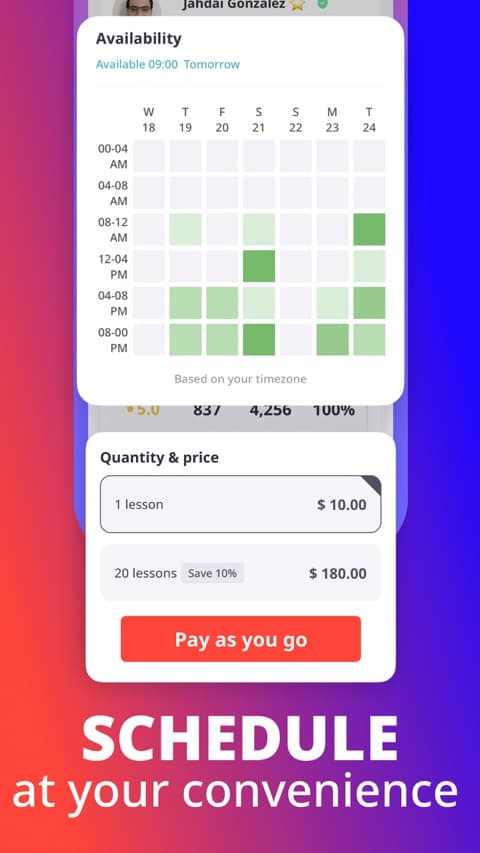
Summary: Italki is for learners ready to jump into the deep end. Whether you need to pass the DELF, prep for a job interview in Paris, or practice casual slang, you pick someone who fits your budget and schedule. In 2026, their new AI-Match feature helps pair you with tutors based on your specific gaps.
Pricing (2026)
- Pay-as-you-go: No monthly subscription—you pay per lesson.
- Trial lessons: Most tutors offer a 30-minute trial at a steep discount (often around $5).
The verdict: When you need live proof—exams, interviews, or nuance only a human catches—Italki stays irreplaceable. Pair it with Croissant Verbs for endings, then speak what you drilled.
Pros
- Total personalization: Your tutor builds the plan for you—not a generic path.
- Cultural nuance: Humans explain why a line can be grammatically fine yet socially off in context.
- Budget flexibility: Thousands of tutors—sessions from about $8 to $80/hour.
Cons
- No solo curriculum: Without a booked tutor, there’s nothing to study—it’s for live interaction.
- Scheduling: Time zones, cancellations, and calendar friction.
- Uneven quality: It’s a marketplace—you may need to test-drive a few tutors.
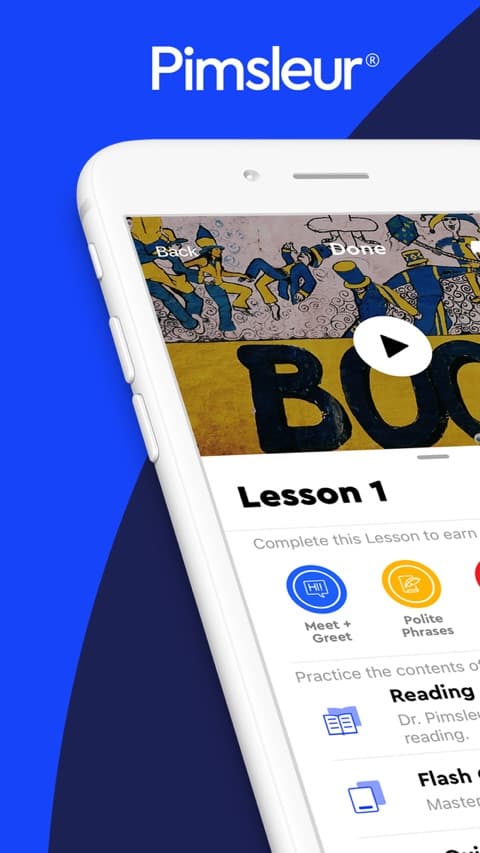
Pimsleur (The Audio Master)
Pimsleur is the king of hands-free learning. In 2026, voice recognition is stronger for richer back-and-forth—but the spine is unchanged: the Pimsleur Method, a scientifically timed spaced-repetition loop built for your ears and mouth.
Summary: Built for commuters, Pimsleur doesn’t want you glued to a screen. You listen to a scenario and respond under pressure—training a sharp French ear and authentic pronunciation from day one.
Pricing (2026)
- Premium: $19.95/month (audio lessons + basic digital tools).
- All Access: $20.95/month (all languages—strong for polyglots).
The verdict: If your day is audio-shaped, Pimsleur is a power habit—just add reading/writing and verb drills (Croissant Verbs) so literacy keeps pace.
Pros
- Busy-life friendly: French while driving, walking the dog, or at the gym.
- Timing science: Recall intervals that actually push vocab toward long-term memory.
- Pronunciation-first audio: Less spelling-trap accent baggage for English speakers.
Cons
- Near-zero reading/writing: Menus, emails, and text lag if Pimsleur is all you use.
- Slow burn: ~30-minute lessons can feel sluggish next to Croissant Verbs micro-drills.
- Not for visual learners: If you need to see the word, it’s a tough fit.
Lingvist (The Efficiency Expert)
If you hate fluff and want the most-used French words fast, Lingvist is your tool. In 2026, it can use search history and reading habits—with your permission—to build a vocabulary deck that stays highly relevant to your life.
Summary: Lingvist leans on the Pareto idea: ~2,000 words cover a huge share of daily conversation, drilled with smart flashcards and contextual cloze. It’s the data-science take on vocabulary.
Pricing (2026)
- Monthly: $14.99/month.
- Annual: $79.99/year.
The verdict: A brutal efficiency pick for lexicon—stack Croissant Verbs when you hit subjonctif walls the deck won’t solve.
Pros
- Extreme speed: Minimal chrome—high-velocity word acquisition.
- Placement test: Strong at dropping you exactly where you belong.
- Cloze in context: Words arrive inside sentences—better collocations.
Cons
- Dry interface: Basically a premium deck—low on gamified dopamine.
- Thin on complex grammar: Great for lexicon; lean on a grammar or verb app for subjonctif depth.
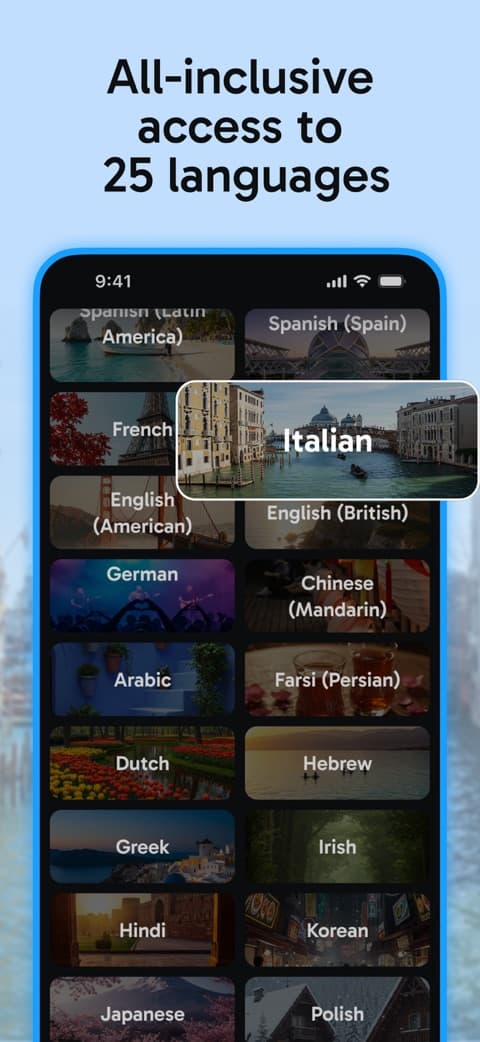
Rosetta Stone (The Immersion Veteran)
Rosetta Stone is the name most people search for first—the app most associated with learning a language, period. Worth knowing before you download in 2026: longtime subscribers keep using the original Rosetta Stone Classic app, while new sign-ups now land on Rosetta Stone Sapphire, a rebuilt version of the same method with a more modern app around it.
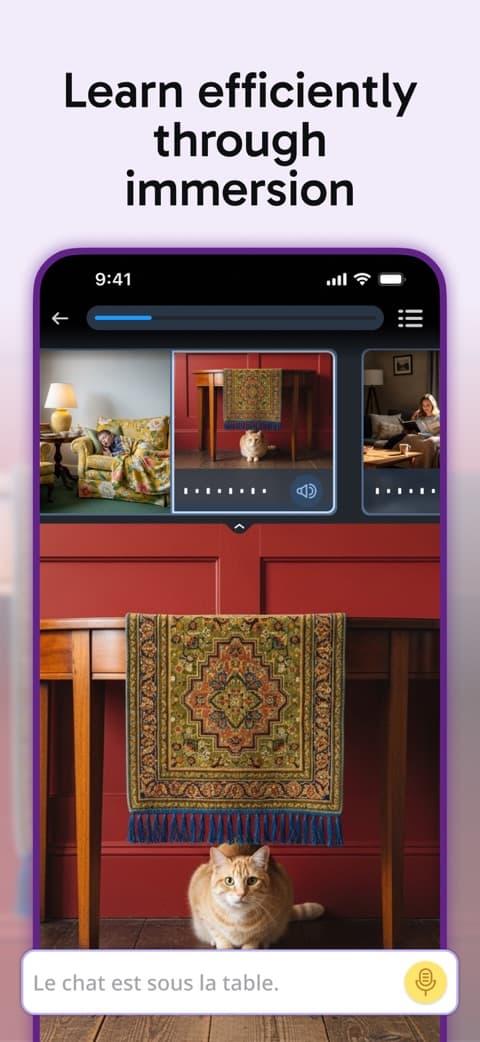
Summary: The core method hasn't changed in 30 years: no translation, ever. Every lesson teaches French through images, audio, and repetition—the way you picked up your first language. It genuinely builds an ear and an instinct for the language, but it explains nothing about grammar explicitly—you infer the patterns instead of being taught them.
Pricing (2026)
- Monthly: $19.99/month.
- Annual: $159/year (~$13.25/month).
- 14-day money-back guarantee; no lifetime one-time option currently offered.
The verdict: A respected, old-school immersion method in a new wrapper. Great if you learn best by absorbing patterns rather than being told them—but pair it with Croissant Verbs, since Rosetta Stone will never actually explain why a verb conjugates the way it does.
Pros
- Zero-translation immersion: builds real intuition for French sentence structure instead of mental word-for-word translating.
- TruAccent pronunciation tool: compares your voice against native-speaker recordings in real time.
- Three decades of trust: one of the most recognized names in language learning, with the review volume to back it up.
Cons
- No explicit grammar teaching: you absorb verb patterns by exposure, never a rule stated outright—slow going if you want to understand why.
- Pricier than most competitors: $19.99/month (or $159/year), with no lifetime option currently offered unlike some rivals.
- Classic vs Sapphire confusion: existing subscribers keep the old app, but everyone new gets the newer Sapphire rebuild—worth checking which one you're actually signing up for.
ChatGPT / AI Tutors (The New Frontier)
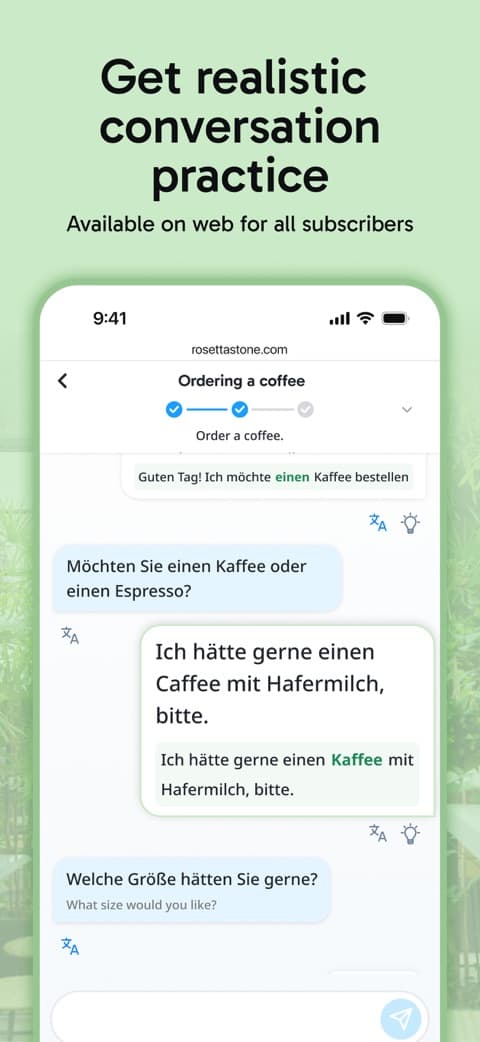
In 2026, ChatGPT (along with Claude and Gemini) has officially disrupted the language market. While not a French app by design, its Advanced Voice Mode has made it the most powerful free conversation partner for many learners. It's the ultimate tool for intermediate students who want to speak without the social anxiety of a human tutor.
Summary: Think of ChatGPT as a choose-your-own-adventure textbook. You can ask it to roleplay a baker in Lyon, explain a complex poem, or correct your grammar in real time. It delivers unlimited, 24/7 practice tailored to your level and interests.
Pricing (2026)
- Free: Basic access to GPT-4o with limited voice mode.
- Plus: $20/month (unlimited Advanced Voice Mode and faster responses).
The verdict: A frontier tool for output and play—pair it with a real curriculum (Babbel, Busuu) and Croissant Verbs so subjonctif and endings don't depend on model luck.
Pros
- Infinite scenarios: Job interview, casual date, border control—no two sessions need to match.
- On-demand explanations: Ask why the subjonctif appeared—get a personalized rule walkthrough.
- Advanced Voice Mode: In 2026, low-latency audio feels closer to a phone call—inflection, pacing, and flow.
Cons
- No curriculum: No Level 1 / Level 2—you must bring goals and structure.
- Occasional hallucinations: Rare in 2026, but models can still sound confident with unnatural phrasing or shaky rules.
- No accountability: No streak or human expectation nudging you to show up daily.
Busuu (The Social Correction)
Busuu is famous for its Community feature—and in 2026 it blends human feedback with AI precision. It follows a CEFR-aligned path (A1 to B2), making it one of the most structured all-in-one courses on the market.
Summary: Your writing and speaking go to real native speakers for correction; you reciprocate for learners of your language—a mini social network for polyglots.
Pricing (2026)
- Free: Very limited lesson access.
- Premium: ~$14/month (unlocks community features and certifications).
The verdict: When you want human proof on real output—after AI has helped you polish the rough edges—Busuu earns its keep. Add Croissant Verbs when you need verb volume beyond the main path.
Pros
- Human feedback: A Parisian correcting your paragraph beats generic green checks.
- CEFR certificates: Official milestones—handy for a CV or LinkedIn.
- AI-enhanced flow (2026): AI can pre-screen speech before community review so you fix basics first.
Cons
- Slow corrections: Volunteers mean hours or days, not seconds.
- Limited free-play drilling: Fewer open verb reps than Croissant Verbs outside core lessons.
Frantastique (The Quirky Story)
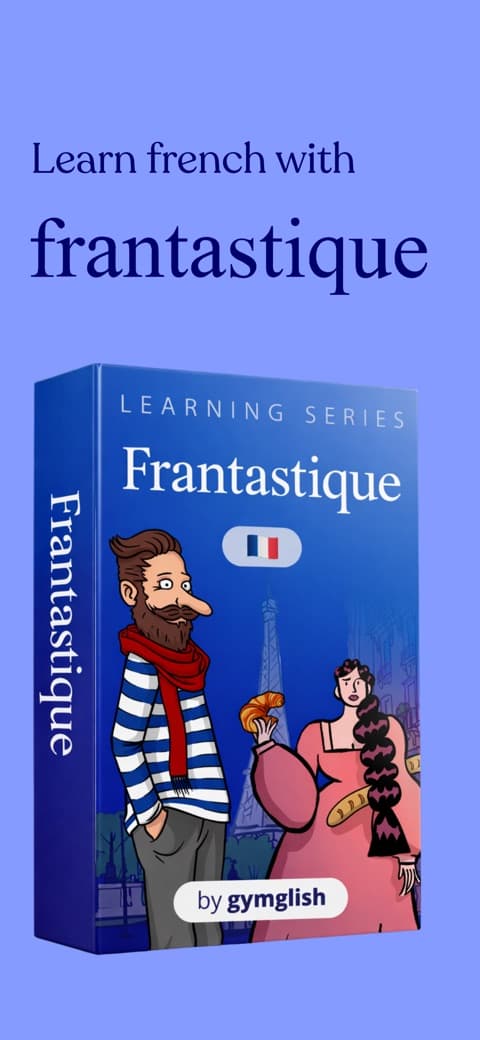
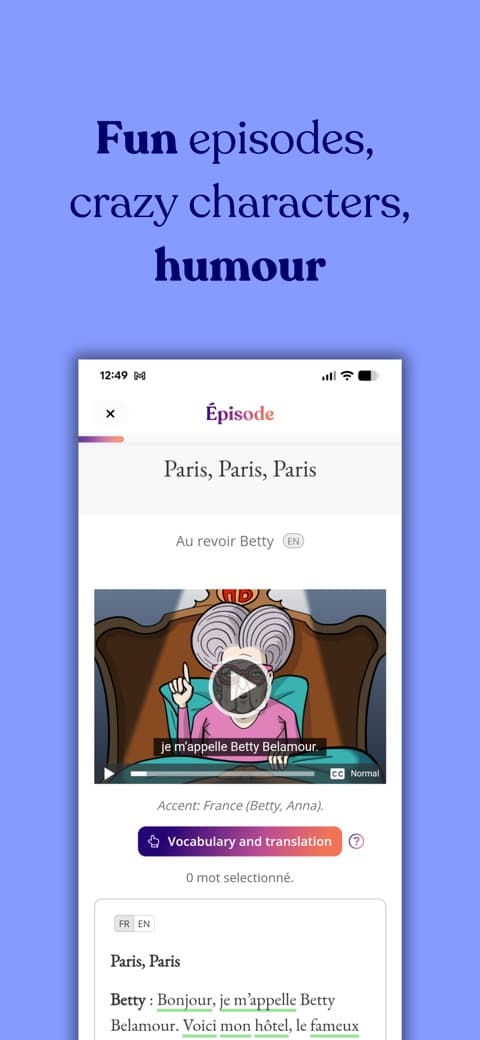
Frantastique is the indie film of French apps: a story-driven course with aliens, Victor Hugo, and real French humor. Built for learners who find traditional apps boring and want a daily culture hit.
Summary: Each morning, a drip-fed lesson lands by email or app—short funny clip, questions, then a personalized correction with score and explanations. One lesson per day keeps burnout low.
Pricing (2026)
- Basic: $27/month (daily lesson + basic support).
- Premium: $45/month (adds business French and faster support).
The verdict: If you’ll show up for plot and tone, it’s unforgettable—just budget for premium pricing and pair with Croissant Verbs when grammar needs reps.
Pros
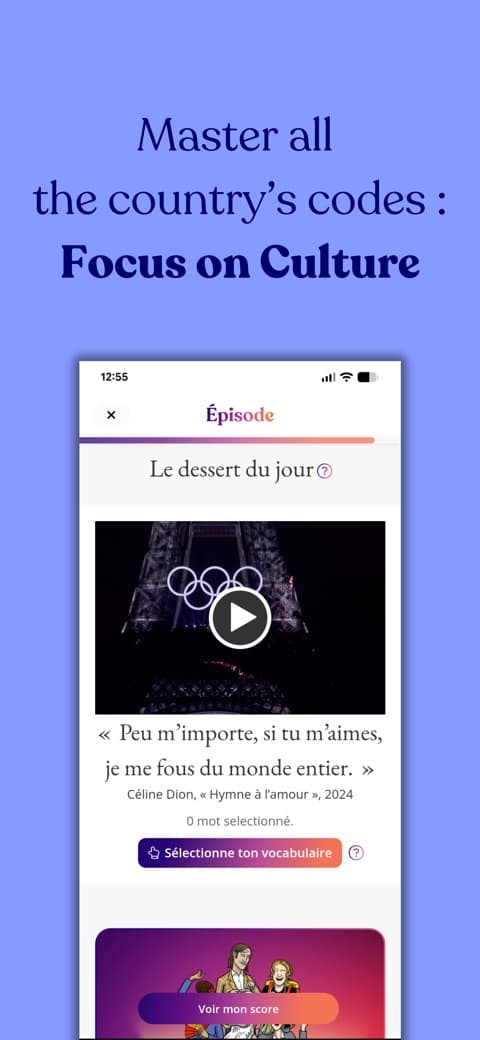
- Cultural depth: Slang, accents, and history most courses skip.
- Plot hook: You want the next episode—motivation without XP tricks.
- Drip-feed discipline: One lesson/day protects long-term retention.
Cons
- Premium price: Costs more than Duolingo or Babbel for many budgets.
- No bingeing: You wait for tomorrow’s lesson—pace is fixed.
- Not for raw beginners: Humor + dialogue speed fit A2/B1+ best.
Memrise (The Vocab Video King)
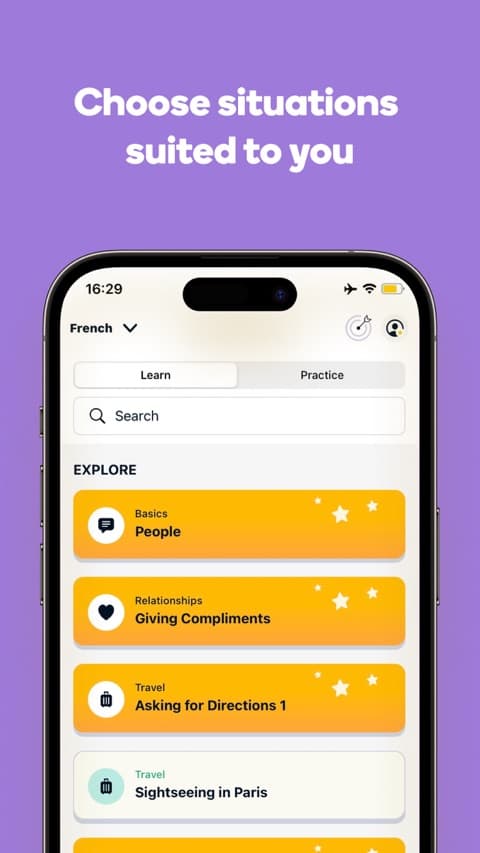
If you want street French from real people, Memrise is your tool. In 2026, MemBot adds an AI conversation layer—but the spine is still Learn with Locals: thousands of short video clips with native speakers.
Summary: Memrise teaches vocab through authentic video, backed by SRS so words stick once you’ve earned them.
Pricing (2026)
- Free: Core decks + limited MemBot access.
- Pro: $14.99/month (unlimited AI chat + offline mode).
The verdict: Best ear-and-eye training for pronunciation—then open Croissant Verbs to produce the same words with correct endings.
Pros
- Authentic pronunciation: Faces and mouth shapes help nail the French R and nasals.
- MemBot: AI tuned to recycle the exact vocab you just studied.
- Speed Review: Fast games that make SRS feel like a challenge, not a chore.
Cons
- Grammar-lite: Vocabulary-first—won’t unpack complex tense logic.
- Uneven UGC: Older community decks can have weak audio or dated slang.
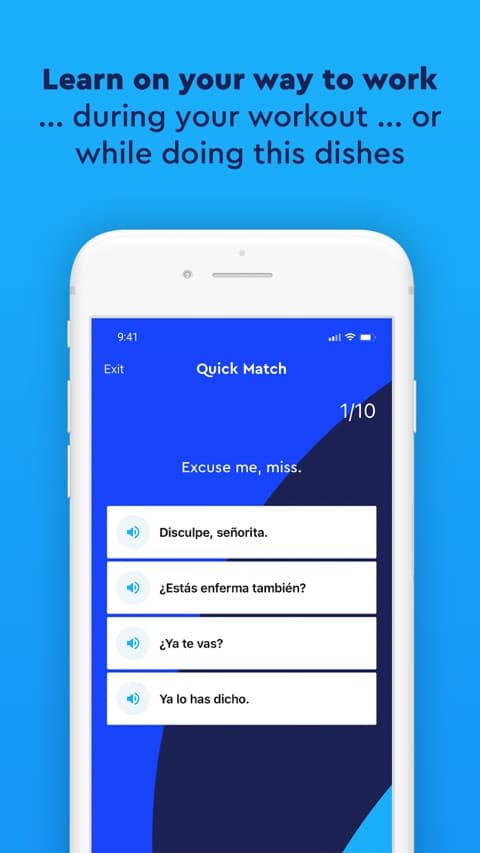
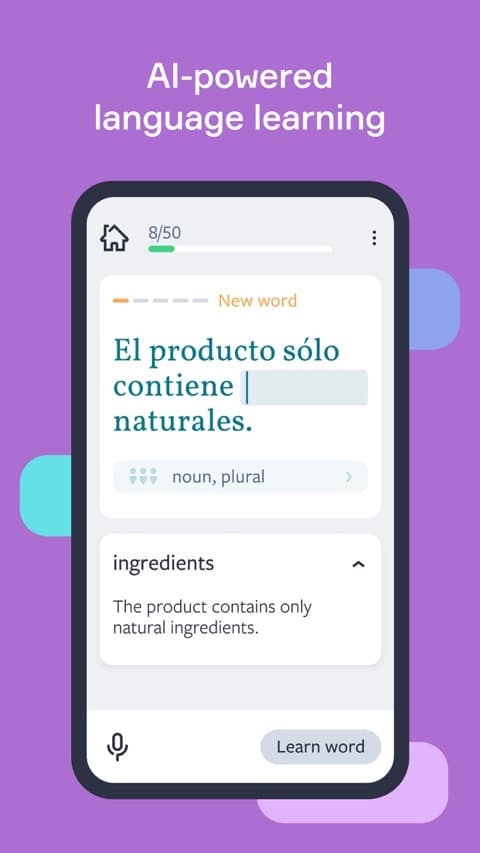
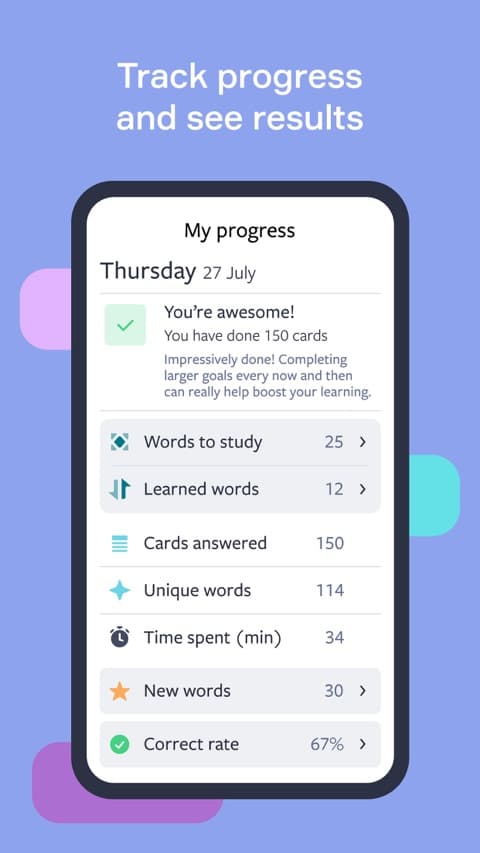
3. Final Verdict: The "Power Trio" Strategy for 2026
If there is one thing we've learned in 2026, it's that the perfect all-in-one app is a myth. You can't build a house with just a hammer, and you can't build French fluency with just a chatbot or a game. The most successful learners today use a 3-App Stack—three specialized tools that cover vocabulary, grammar, and speaking without the burnout. Our Recommended 2026 Stack:
- The Habit Builder (Duolingo or Babbel): Your daily bread and butter—steady exposure to new vocabulary and basic sentence patterns, in a fun, low-pressure rhythm.
- The Technical Engine (Croissant Verbs): Your secret weapon. While other apps gloss over the hard parts of grammar, Croissant Verbs keeps your foundation solid. Ten minutes a day of conjugation drilling means that when you speak, you sound accurate, confident, and fluid.
- The Conversation Partner (Italki or ChatGPT Voice): Once or twice a week, put it all on the line—where your vocab and your Croissant Verbs training collide into real-world communication.
The bottom line: Don't get stuck in app overload. Pick your trio, set your timer, and stay consistent. Whether you're aiming for a promotion in Paris or just want to order a pain au chocolat without stuttering—the tools are at your fingertips.
That completes our top 11 roadmap: from gamified giants to specialized engines—build a stack, not a monoculture.
Frequently asked questions
- What is the best app mix for French in 2026?
- No single app covers habit, real-life scenarios, and verb accuracy equally well—most serious learners run a small stack. A strong default is our top three together, each with a different job: Duolingo (#1) for daily habit and breadth (streaks, quick reps, wide exposure); Babbel (#2) for structured, scenario-first French (travel, work, clear grammar in context); Croissant Verbs (#3) for conjugation depth (pattern drills, endings under pressure). Use Duolingo or Babbel as your “main path,” then add Croissant Verbs in short daily blocks so speaking stays accurate—not just fast.
- Can ChatGPT replace a French course?
- It can amplify a course—roleplay, explanations, writing drills—but it will not automatically deliver a balanced CEFR path. Pair AI with at least one structured app (Babbel, Busuu) or a tutor (Italki) for accountability.
- What's the best 100% free app to learn French?
- No premium app stays completely free long-term, but Duolingo's free tier (ads, limited hearts) is the most complete—enough to build vocabulary and a daily habit. For conjugation specifically, Croissant Verbs offers 6 permanently free levels, no time limit. If budget is your #1 constraint, stack the free tiers of both instead of hunting for one miracle app.
- Duolingo vs. Babbel for French—which should I pick?
- Both are solid but solve different problems. Duolingo is built for consistency and habit—ideal if sticking to a study routine is your main struggle. Babbel front-loads grammar and real-life scenarios (travel, work)—ideal if you want to understand the "why" behind each sentence. If budget allows, many serious learners run both side by side instead of choosing one.
- Is there a French app with no in-app purchases at all?
- Few serious apps stay entirely free forever—most (Duolingo, Croissant Verbs, Memrise, Busuu…) offer a permanent free tier, then a subscription to unlock everything. If zero spending is the goal, stack the free tiers (Duolingo + Croissant Verbs + YouTube/podcasts) rather than hunting for one premium app for free—see the pricing model column in the comparison table above.